“It is incumbent upon all of us to build communities with educational opportunities and support system in place to help our youth become successful adults”
– Ruben Hinojosa

“It is incumbent upon all of us to build communities with educational opportunities and support system in place to help our youth become successful adults”
– Ruben Hinojosa
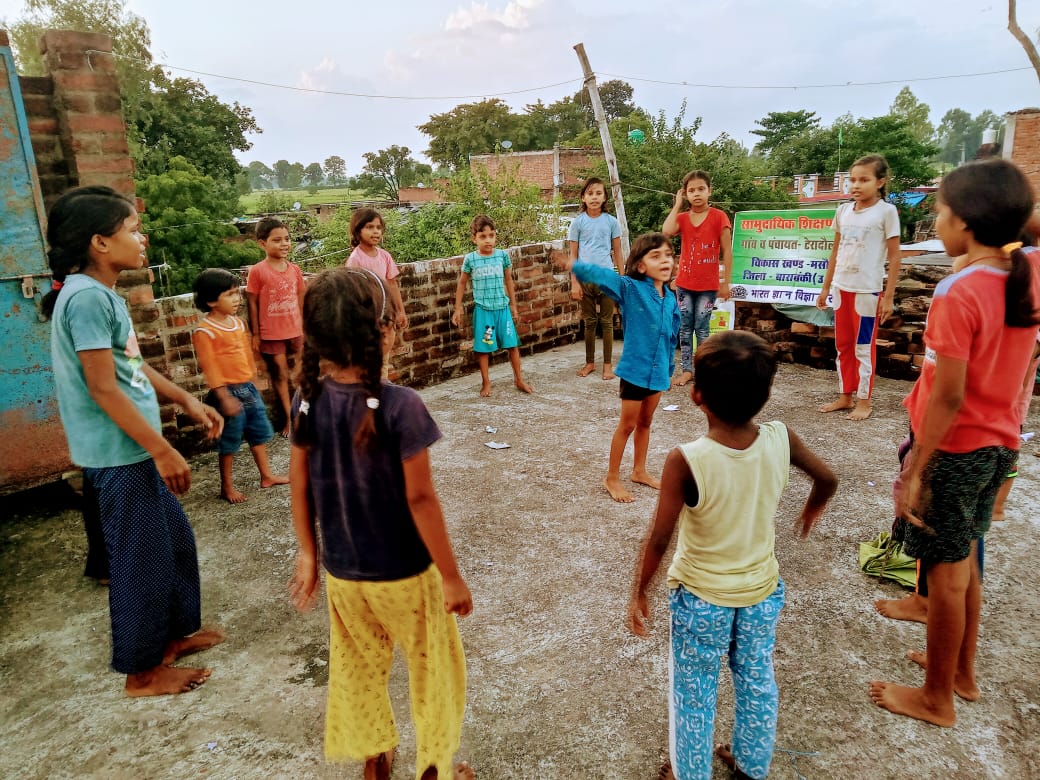
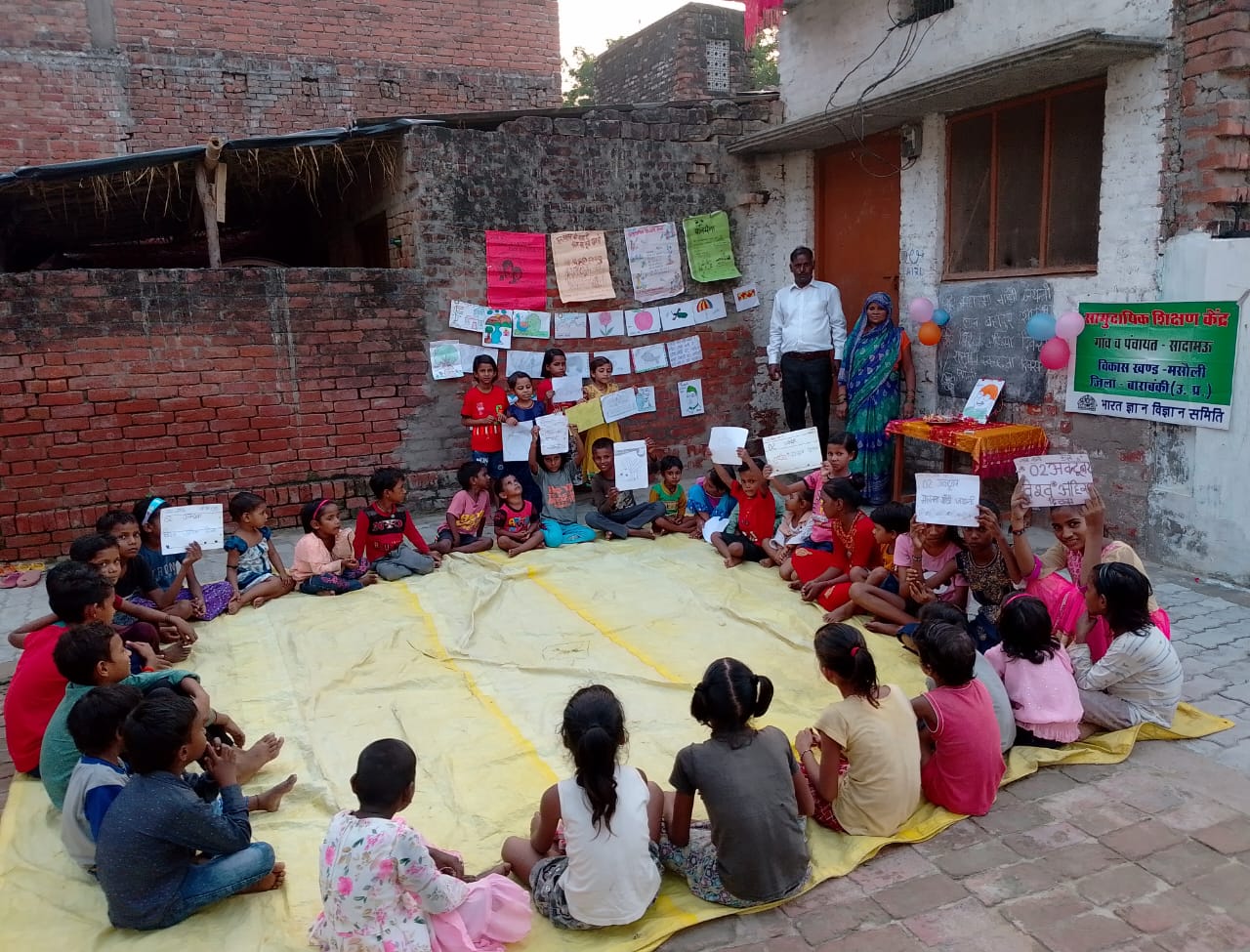
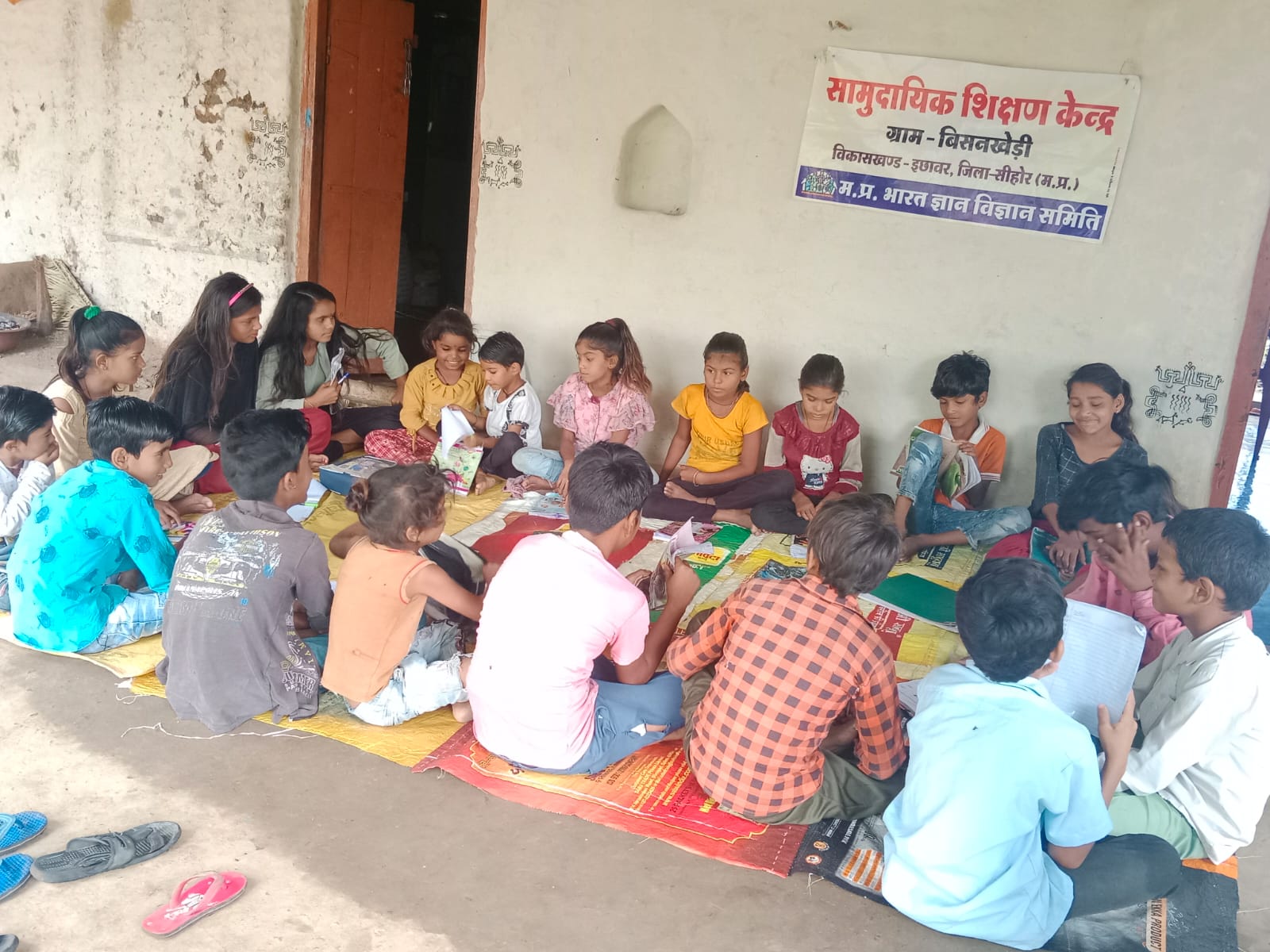
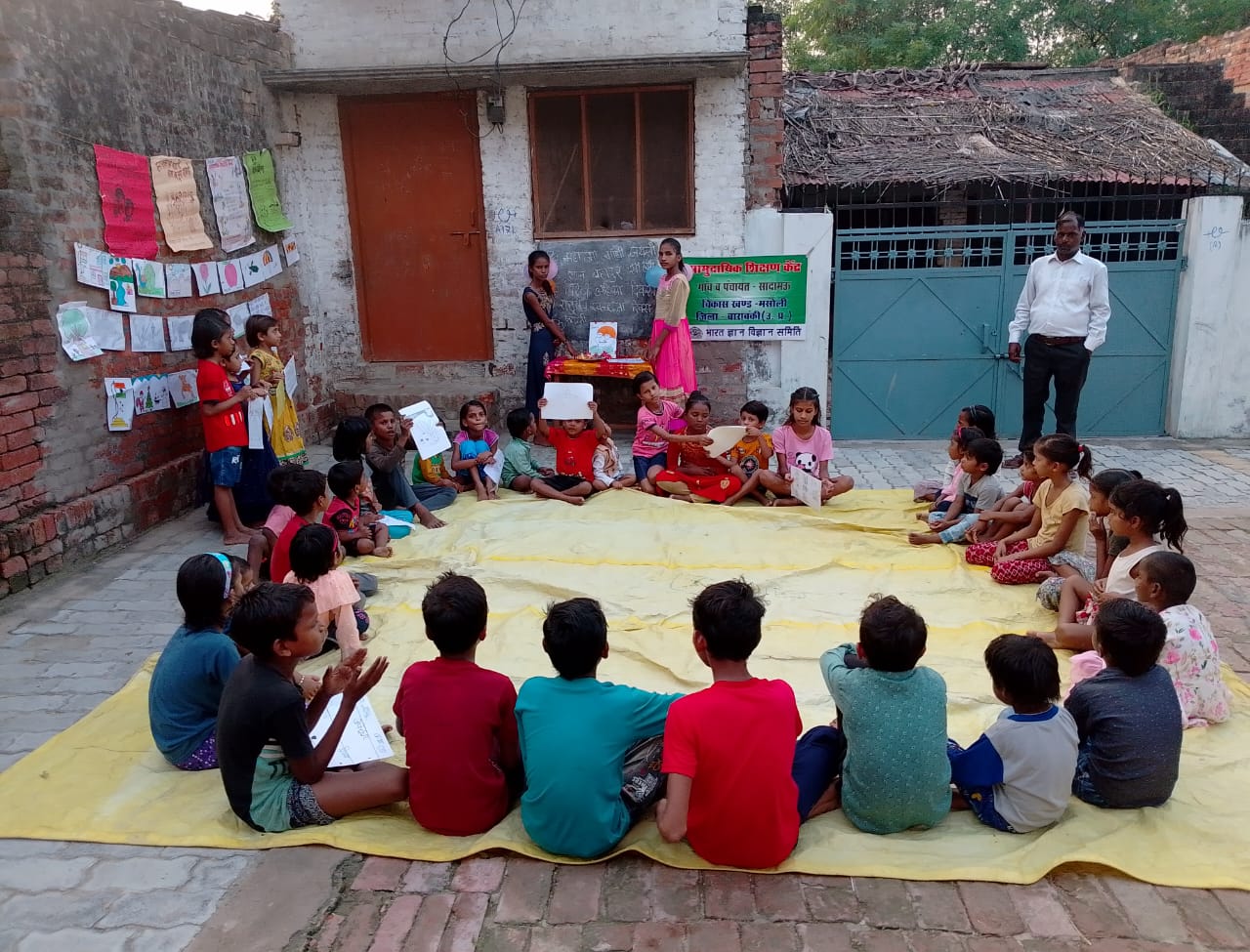
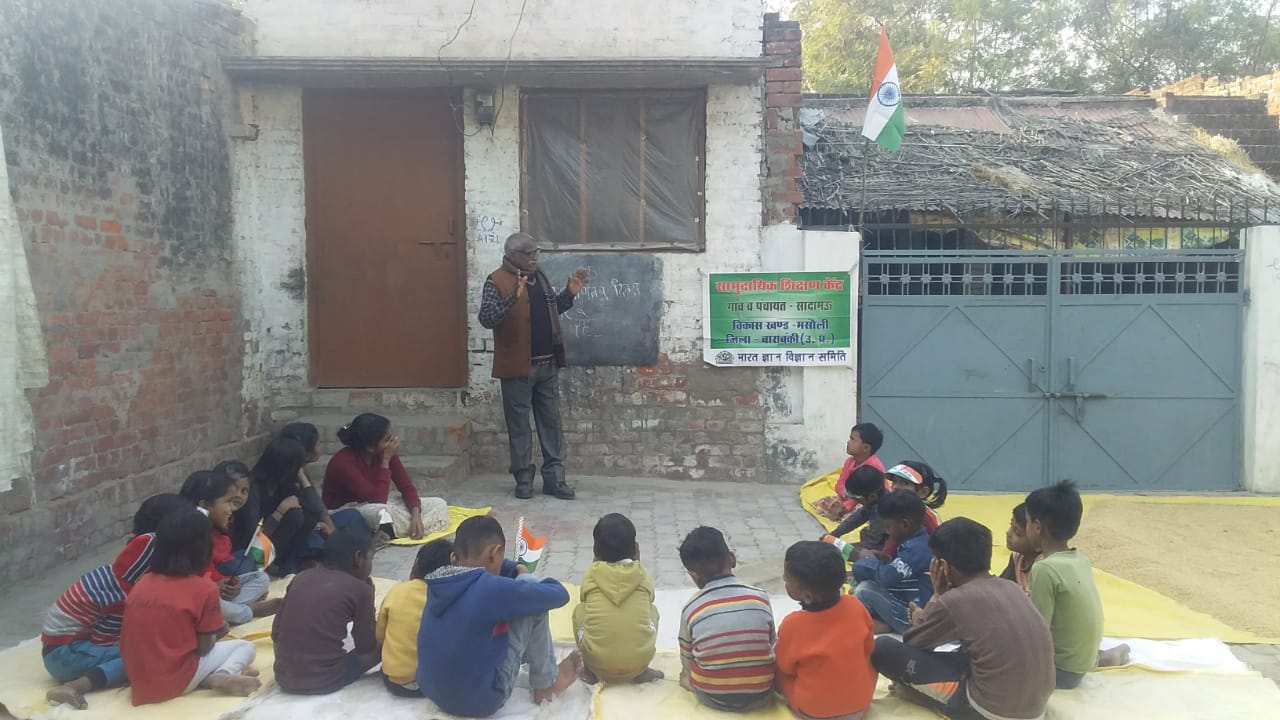
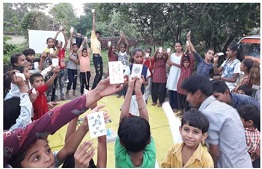
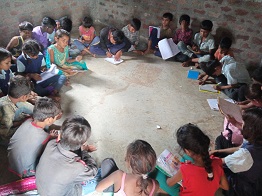
During the COVID-19 pandemic, school closures had a significant impact on students, particularly those from marginalized and underprivileged backgrounds. In response to the learning disruptions and the psychosocial and emotional challenges faced by children, Bharat Bal Vigyan Samiti, with the support of a dedicated team of volunteers, established Community Learning Centers (CLCs). What began as an immediate response to the crisis caused by COVID-19 has since evolved into a continuing initiative supporting children’s learning and development.
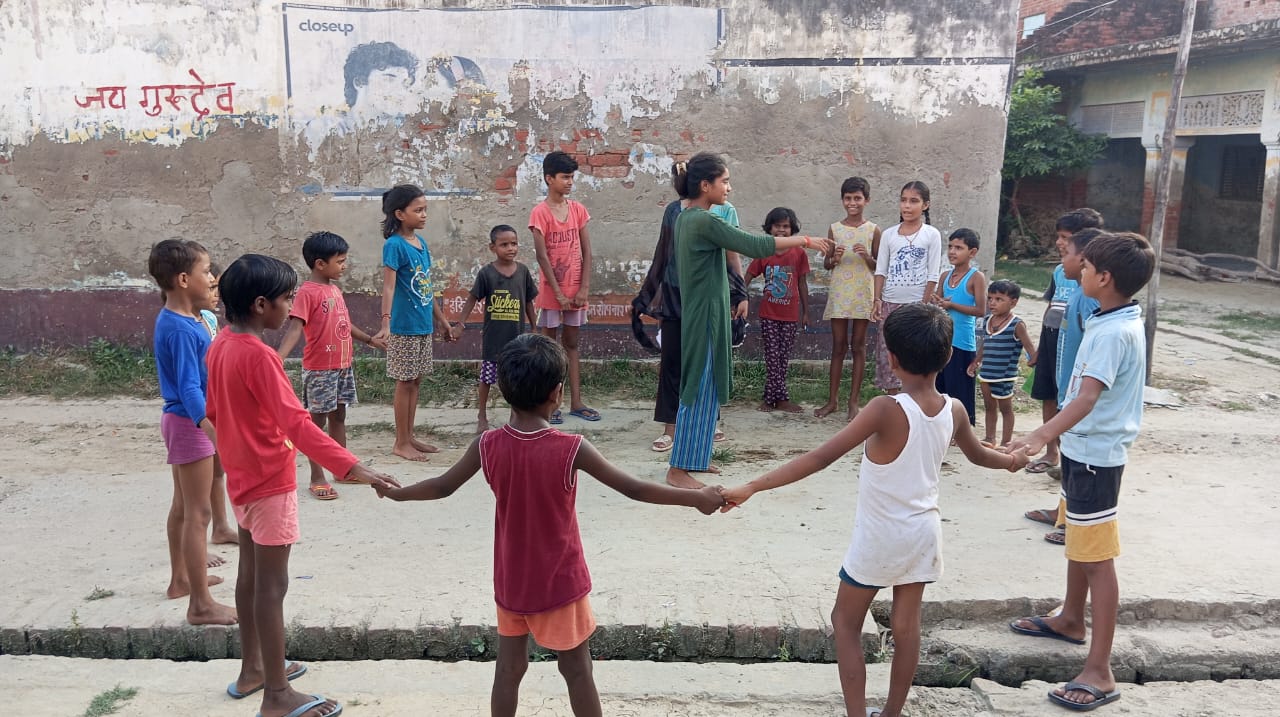
Community Learning Centers are designed to provide supplementary, community-based educational support through alternative pedagogical approaches. These centers complement the formal education system by engaging children in creative learning activities that promote cognitive development, problem-solving skills, and critical thinking. At the same time, they foster socio-culturally rooted learning, helping children build confidence and strengthen their psychosocial well-being.
Teaching–learning materials tailored to different age groups support activity-based learning and help develop reading, comprehension, writing, numeracy, and computational skills through storytelling and other engaging activities. The materials used include activity books, play-based learning resources, and Information, Education, and Communication (IEC) materials that make learning enjoyable and meaningful.
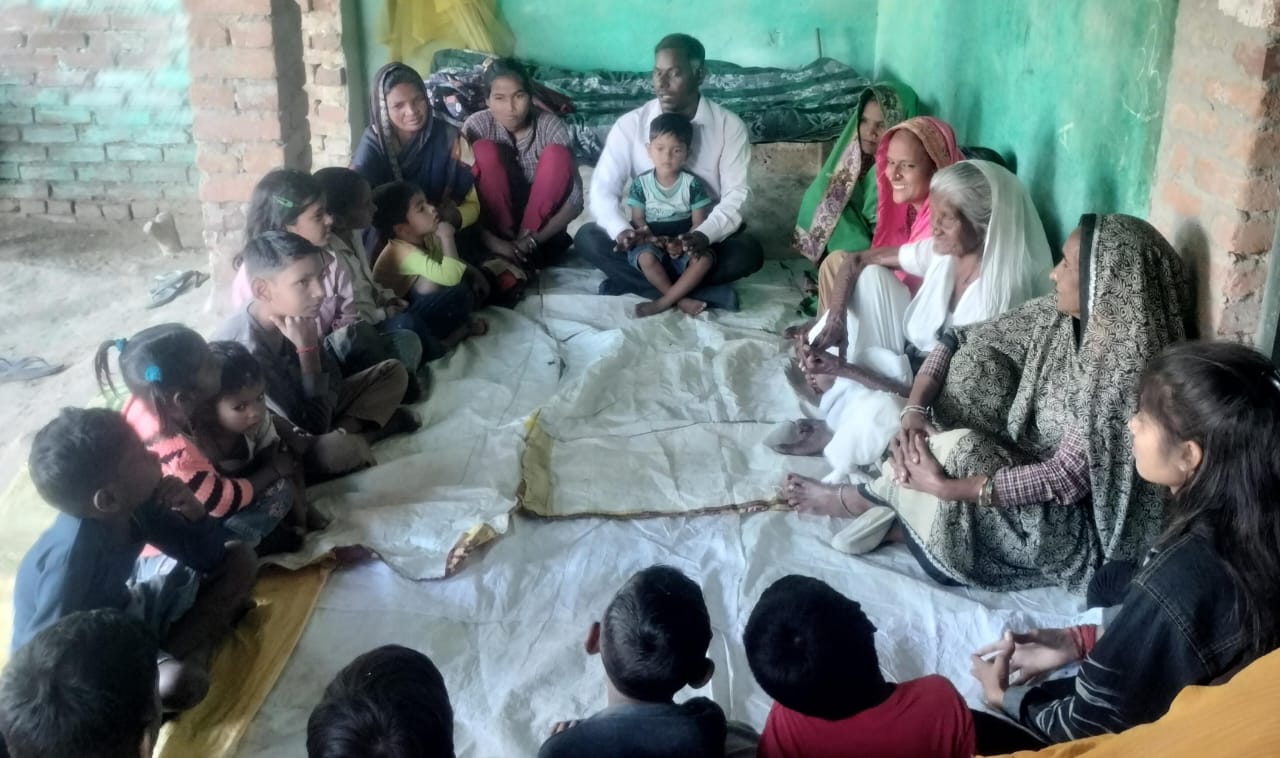
A trained team of volunteers works closely with local communities to identify and support out-of-school children, enabling them to re-enter the educational mainstream. The volunteers also work to ensure children remain in school by engaging with the school system and supporting efforts to improve educational quality. Additionally, CLCs help children bridge learning gaps through remedial education and targeted academic support.
The initiative also supports schools in strengthening the integration of excluded children. This includes providing books and resource materials for remedial education, orienting teachers and para-teachers in child-centered teaching and assessment practices, and introducing creative activities that encourage active participation by children.
Overall, the CLCs aim to maximize children’s learning potential by adopting innovative, child-centric teaching methodologies, creating joyful learning environments, utilizing diverse teaching-learning materials, and incorporating culturally relevant pedagogies. These activities are designed not only to support children directly but also to improve classroom learning processes.